
Yoga Breathing Techniques Explained
Explore our comprehensive guides to pranayama and breathing practices. Learn the science, benefits, and step-by-step instructions for mastering ancient breathing techniques.
Explore by Category
Comprehensive Breathing Guides
Diaphragmatic Breathing
Master the foundational belly breathing technique that engages the diaphragm. This essential practice forms the basis for most advanced pranayama methods and promotes relaxation, improved oxygen intake, and activation of the parasympathetic nervous system. Learn proper posture, hand placement, and breathing rhythms.
Alternate Nostril Breathing (Nadi Shodhana)
Discover this balancing pranayama that equalises breath flow between both nostrils and energetic channels. This intermediate technique is renowned for calming the mind, balancing the nervous system, and enhancing mental clarity. Perfect for stress management, meditation preparation, and emotional equilibrium.
Ujjayi Breathing (Victorious Breath)
Learn the ocean-sounding breath used extensively in yoga asana practice and meditation. This technique generates internal heat, increases focus and concentration, and enhances prana circulation throughout the body. The gentle constriction in the throat creates a soothing auditory anchor for the mind.
Bhastrika Pranayama (Bellows Breath)
Master this powerful cleansing breath technique involving forceful inhalations and exhalations. Bhastrika energises the entire system, activates kundalini energy, and purifies the nadis (energy channels). This advanced practice requires proper instruction and should be approached with respect and awareness of contraindications.
Kapalabhati Pranayama (Skull-Shining Breath)
Explore this dynamic cleansing technique focusing on forceful exhalations and passive inhalations. Kapalabhati detoxifies the respiratory system, clears mental fog, and enhances cognitive function. Practitioners often report improved clarity, reduced lethargy, and a refreshed sense of vitality following regular practice.
Box Breathing (Equal Counts)
Discover the symmetrical breathing pattern with equal duration for inhalation, retention, exhalation, and pause. This accessible technique promotes nervous system balance, reduces anxiety, and enhances emotional stability. Box breathing is ideal for beginners and can be practised anywhere, anytime—in the workplace, before sleep, or during moments of stress.
Understanding Pranayama Science
Pranayama, the practice of breath control in yoga, operates on the principle that breath directly influences the mind and vital energy (prana). When you regulate your breathing patterns, you actively modulate the autonomic nervous system, shifting the body from sympathetic (fight-or-flight) to parasympathetic (rest-and-digest) modes.
Each breathing technique in our guides addresses specific wellness outcomes. Whether seeking stress relief, mental clarity, energy boost, or meditative depth, there exists a pranayama practice suited to your needs. Our editorial team has compiled extensive explanations of how each technique works physiologically and energetically.
Regular pranayama practice has been studied for its effects on respiratory capacity, heart rate variability, and emotional regulation. Modern yoga research increasingly validates traditional knowledge about breathing's profound influence on physical and mental wellbeing.
Browse Full Library
Why Explore Breathing Techniques
Nervous System Balance
Pranayama techniques activate the vagus nerve and parasympathetic response, naturally calming your physiological state and reducing chronic stress patterns.
Mental Clarity
Controlled breathing practices enhance oxygen delivery to the brain, sharpening focus, improving concentration, and dissolving mental fog and scattered thoughts.
Energy Cultivation
Specific pranayama techniques build vital life force energy, counteracting fatigue and creating sustained physical and mental vitality throughout your day.
Emotional Release
Breath-conscious practices help process and release stored emotional patterns held in the body, promoting emotional resilience and inner peace.
Meditative Gateway
Pranayama serves as the bridge to deeper meditation, quietening the mind and preparing the nervous system for profound contemplative practice.
Physical Resilience
Regular breathing practice improves respiratory capacity, lung function, circulation, and overall physical endurance through enhanced oxygen utilisation.
Common Questions About Breathing Techniques
We recommend starting with diaphragmatic breathing (belly breathing) as your foundation. This technique is simple to learn, requires no special equipment, and can be practised safely anywhere. Once comfortable with diaphragmatic breathing, you can progress to box breathing or alternate nostril breathing. These beginner-friendly practices teach fundamental breath awareness and control before advancing to more dynamic or energetically intense techniques.
Have more questions? Our team is here to help.
Send Us a QuestionFeatured Content
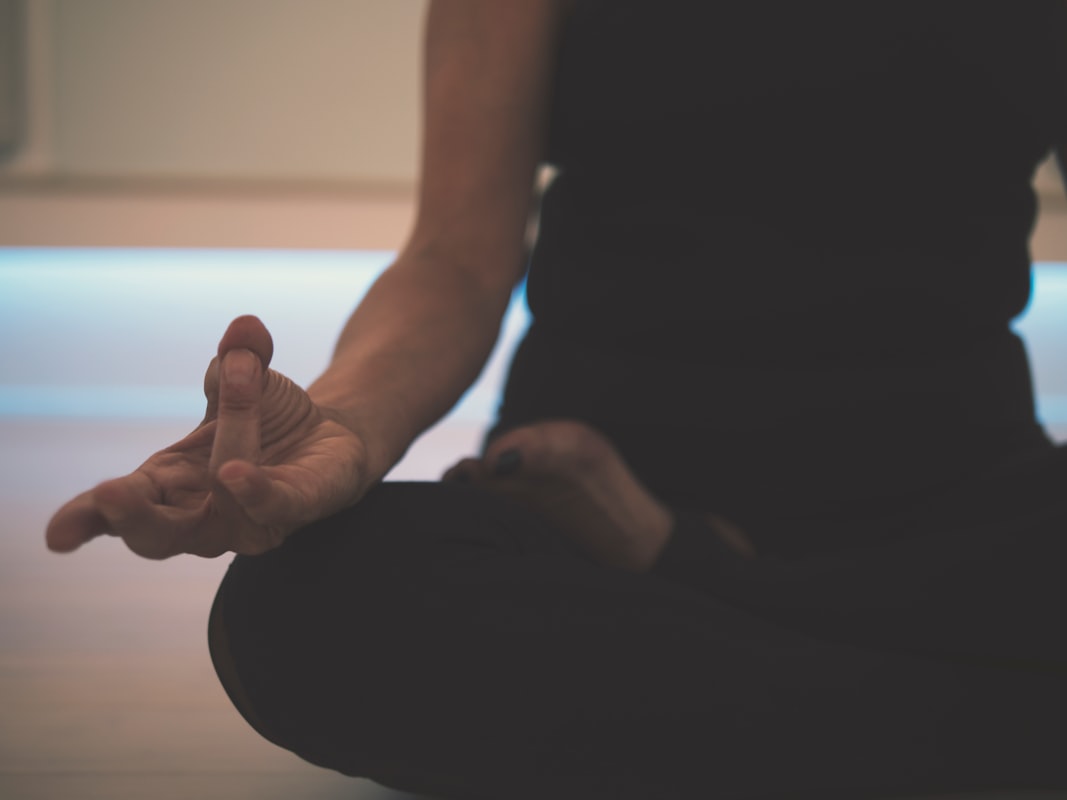
Step-by-Step Guide to Diaphragmatic Breathing
Learn the foundational technique that underpins most pranayama practices. This comprehensive guide walks you through proper positioning, awareness cues, and progressive deepening of your diaphragmatic engagement for maximum effectiveness.
Read Full Article →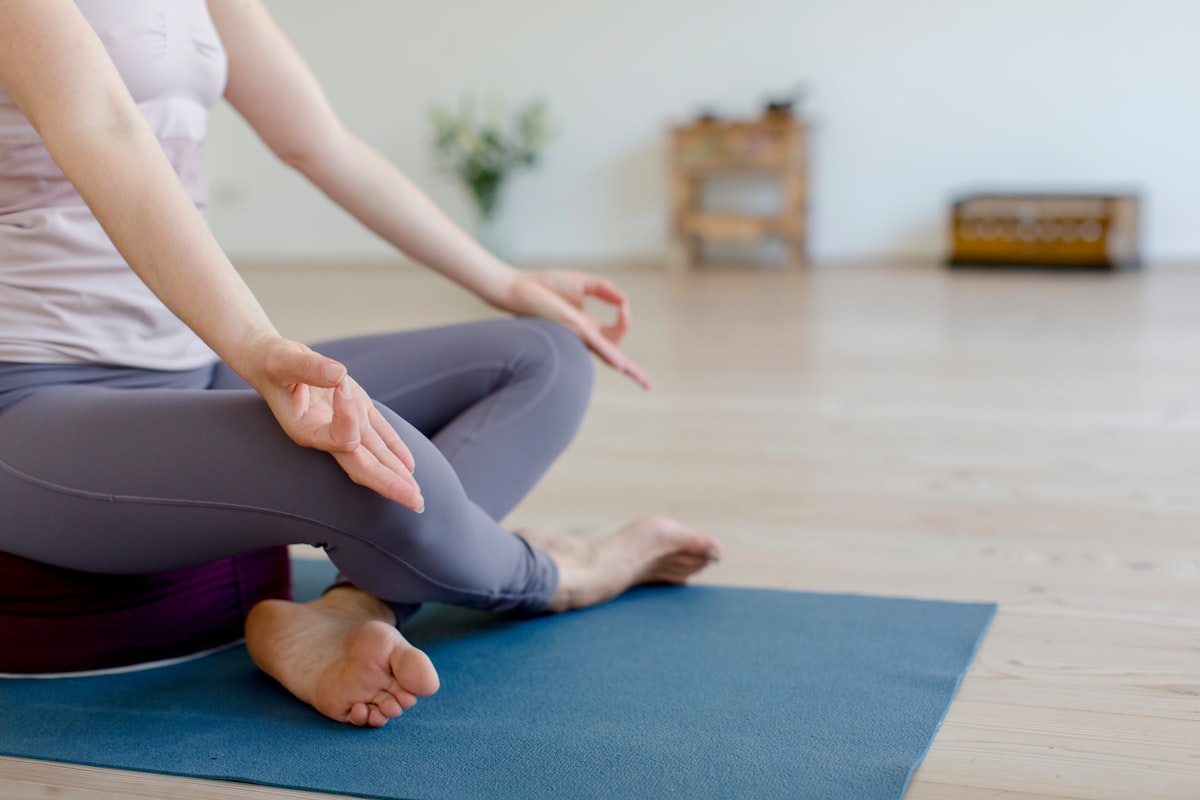
Advanced Pranayama Practices: Moving Beyond Basics
Once you've mastered foundational techniques, explore advanced pranayama methods. This article discusses breath retention (kumbhaka), energy locks (bandhas), and how to safely progress your practice while honouring traditional knowledge.
Read Full Article →